Paediatric Speech Pathology Assessments Sydney
Comprehensive speech, language and literacy assessments for children at our St Leonards/Crows Nest and Rhodes clinics.
Paediatric Speech Pathology Assessments
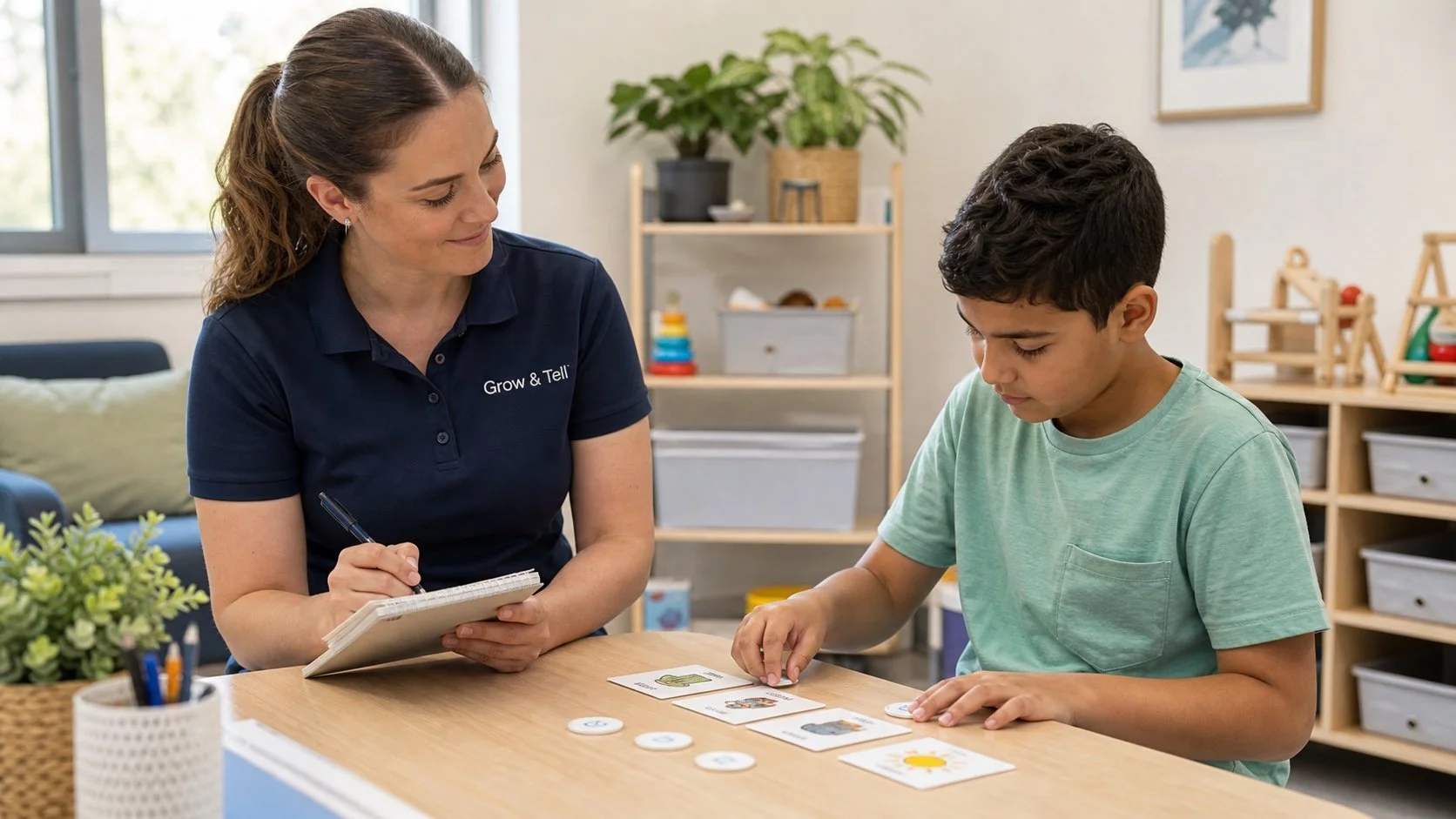
A speech pathology assessment can help identify your child’s communication strengths and areas where additional support may be beneficial. At Grow & Tell, our paediatric speech pathologists provide comprehensive speech pathology assessments for children in Sydney, with appointments available at our St Leonards/Crows Nest and Rhodes clinics.
Assessments may explore speech sounds and articulation, receptive and expressive language, early communication, phonological awareness, reading and literacy, depending on your child’s age, needs and reason for referral.
Our speech pathologists use a combination of standardised and non-standardised assessments to build a detailed picture of your child’s communication skills. Assessment tools are selected individually rather than using the same assessment for every child.
Following the assessment, your speech pathologist will discuss the findings with you and explain any recommendations for therapy, home strategies, further assessment or other supports where appropriate.
Families across Sydney can access paediatric speech pathology assessments at our clinics on Sydney’s Lower North Shore and Inner West, with selected assessments also available via Telehealth across Australia.

What Can a Speech Pathology Assessment Assess?
Our paediatric speech pathologists assess a range of communication and literacy skills. The areas assessed will depend on your child’s age, development, concerns and reason for referral. An assessment may focus on one area or explore several aspects of your child’s communication.
-

Speech Sounds & Articulation
Assessments can explore how your child produces individual speech sounds and whether their speech is clear and developmentally appropriate. This can help identify articulation difficulties and guide recommendations for support.
-

Phonology
Phonological assessment looks at the patterns a child uses when organising speech sounds. It can help identify phonological processes that may be affecting how easily your child is understood.
-

Motor Speech
Where appropriate, we can assess the planning and coordination of movements required for speech. This may be recommended when there are concerns about motor speech development or suspected childhood apraxia of speech.
-

Receptive & Expressive Language
Language assessments explore how your child understands spoken language and how they use words and sentences to communicate their thoughts, ideas and needs.
-

Early Communication
For younger children, assessment may explore early language and communication development, including vocabulary, gestures, interaction and emerging receptive and expressive language skills.
-

Literacy & Phonological Awareness
Assessments can explore skills that support reading and spelling, including phonological awareness, phonological processing, word reading and spelling.
Who May Benefit From a Speech Pathology Assessment?
A speech pathology assessment can help identify your child’s communication strengths, areas of difficulty and whether additional support may be beneficial.
At Grow & Tell, our paediatric speech pathologists assess children with a wide range of communication and learning concerns, including:
Speech that is difficult for others to understand
Difficulty producing particular speech sounds
Speech sound or phonological delays
Concerns about motor speech or childhood apraxia of speech
Delayed development of words and sentences
Difficulty understanding spoken language or following instructions
Difficulty expressing thoughts, ideas or needs
Early communication concerns in toddlers and preschool-aged children
Literacy, reading or spelling difficulties
Phonological awareness difficulties
Social communication concerns
Concerns raised by parents, teachers, preschool educators or other health professionals
An assessment can help determine whether your child’s communication skills are developing as expected for their age and provide a clearer understanding of the type of support they may need.
Our speech pathologists use a combination of standardised and non-standardised assessments, selected according to your child’s age, individual needs and the reason for referral.

Our Approach to Speech Pathology Assessments
At Grow & Tell, our paediatric speech pathologists take a comprehensive, child-centred approach to assessment. We look beyond a single test score to understand your child’s communication skills and how these may affect everyday participation at home, preschool, school and in the community.
Individualised Assessment: Assessment tools are selected according to your child’s age, communication skills and the concerns identified by parents, educators or other professionals.
Standardised & Non-Standardised Assessment: Depending on your child’s needs, assessment may include standardised testing, clinical observation, language samples, play-based assessment, parent or teacher questionnaires and informal assessment tasks.
Evidence-Based Assessment Tools: Our speech pathologists use a broad range of recognised assessment tools to investigate speech sounds, articulation, phonology, motor speech, receptive and expressive language, early communication, literacy and phonological awareness.
A Complete Picture of Your Child: Assessment considers not only your child’s test performance, but also their developmental history, everyday communication and information provided by the important people in their life.
Clear Findings & Recommendations: Following assessment, your speech pathologist will explain the findings in practical language and provide recommendations for therapy, home, preschool or school where appropriate.
The goal of assessment is not simply to identify areas of difficulty. It is to develop a clear understanding of your child’s strengths and needs so that any recommendations or therapy can be appropriately targeted.

Our Speech & OT Services
-
![]()
Occupational Therapy
-
![Children with painted hands gathered around a table, painting on each other's hands with various colors of paint.]()
Social Skills Groups
-
![Young boy sitting at a desk in a classroom, smiling, with a pencil in his hand and writing in a notebook, with other students working at their desks in the background.]()
School Readiness Groups
-
![A woman and a girl sitting at a desk, looking at a laptop. The woman is pointing at the screen while the girl holds a red marker and smiles. The desk has colorful pens and a notebook, and the background has shelves with books and plants.]()
Online Speech & OT
-
![A woman sitting at a wooden table in an office, looking at a laptop. She has a colorful puppet frog on her shoulder. Behind her are white shelves filled with books and a window letting in natural light.]()
Telehealth
-
![Side of a white vehicle with a logo of green leaves and the text 'Grow & Tell' in pink, along with a phone number and website for growandtelltherapy.com.au.]()
Mobile Speech Therapy
-
![Side of a white car with a pink and green logo of two leaves and the text 'Grow & Tell' in pink, along with a phone number and website for Grow and Tell Therapy.]()
Mobile Occupational Therapy
-
![A young boy with light brown hair peeking out from behind a red curtain, smiling and looking toward the camera. The background is plain white, and part of a blue object is visible in the foreground.]()
NDIS Speech Therapy
-
![Young boy climbing on a colorful wooden ladder indoors.]()
NDIS Occupational Therapy


Why Choose Grow & Tell for a Speech Pathology Assessment?
Experienced Paediatric Speech Pathologists
At Grow & Tell, our paediatric speech pathologists have experience assessing children across a wide range of speech, language, communication and literacy needs.
We work with children from early childhood through to school age, tailoring each assessment to your child’s age, development, individual needs and reason for referral.
Standardised & Non-Standardised Assessments
We use a combination of standardised and non-standardised assessments to develop a comprehensive understanding of your child’s communication skills.
Depending on your child’s needs, assessment may explore speech sounds, articulation, phonology, motor speech, receptive and expressive language, early communication, literacy and phonological awareness.
Individualised Assessment
There is no single assessment that is right for every child.
Our speech pathologists select appropriate assessment tools based on your child’s presentation, developmental history and the concerns raised by parents, teachers, preschool educators or other health professionals.
Assessment may include formal testing, clinical observation, language samples, play-based assessment, parent or teacher questionnaires and other informal assessment activities.
Clear Results & Practical Recommendations
Following the assessment, your speech pathologist will explain the findings in clear, practical language, helping you understand your child’s communication strengths and any areas where additional support may be beneficial.
Where appropriate, recommendations may include speech pathology therapy, strategies for home or school, further assessment or collaboration with teachers and other health professionals.
Speech pathology assessments are available at our St Leonards/Crows Nest and Rhodes clinics, with selected assessments also available via Telehealth.

Speech Pathology Assessments via Telehealth
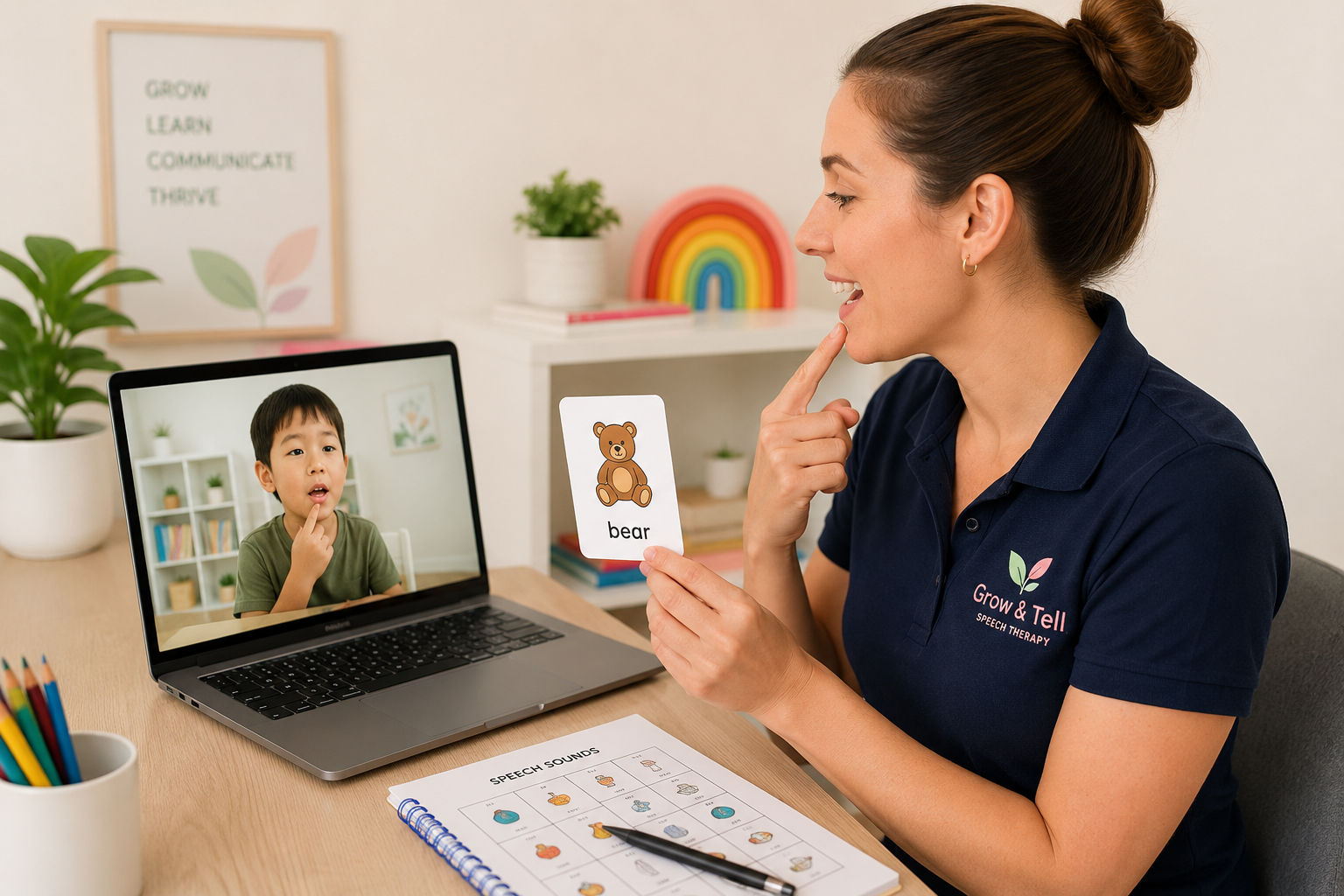
Grow & Tell provides selected paediatric speech pathology assessments via Telehealth, allowing families across Australia to access assessment with our experienced Sydney-based speech pathologists.
Depending on your child’s age, communication needs and ability to participate in an online assessment, Telehealth assessment may be available for:
Speech sounds and articulation, including assessment using the Diagnostic Evaluation of Articulation and Phonology (DEAP)
Language assessment using the CELF Preschool–3 (CELF-P3)
Language assessment using the CELF-5 Australian & New Zealand
Stuttering and fluency assessment for school-aged children
Telehealth assessment is generally most suitable for children who can engage with a clinician through a computer, follow instructions and maintain attention with minimal support. For many children, this may be more feasible from approximately 4 years of age, although suitability is determined individually rather than by age alone.
Some assessments require face-to-face administration and cannot be completed via Telehealth, including the Preschool Language Scales, Fifth Edition (PLS-5).
If you are unsure whether an online assessment is appropriate for your child, our team can discuss your concerns and recommend either a Telehealth or in-person speech pathology assessment.
Meet Our Speech Pathologist Team
-
![Portrait of a woman smiling, wearing a white shirt, with straight brown hair and light skin, standing against a plain neutral background.]()
Elena
Lead Speech Pathologist
-
![A smiling woman and young boy sitting closely together on a wooden dock by the water, with an out-of-focus large ship in the background during sunset.]()
Jules
Speech Pathologist/Parent Coaching
-
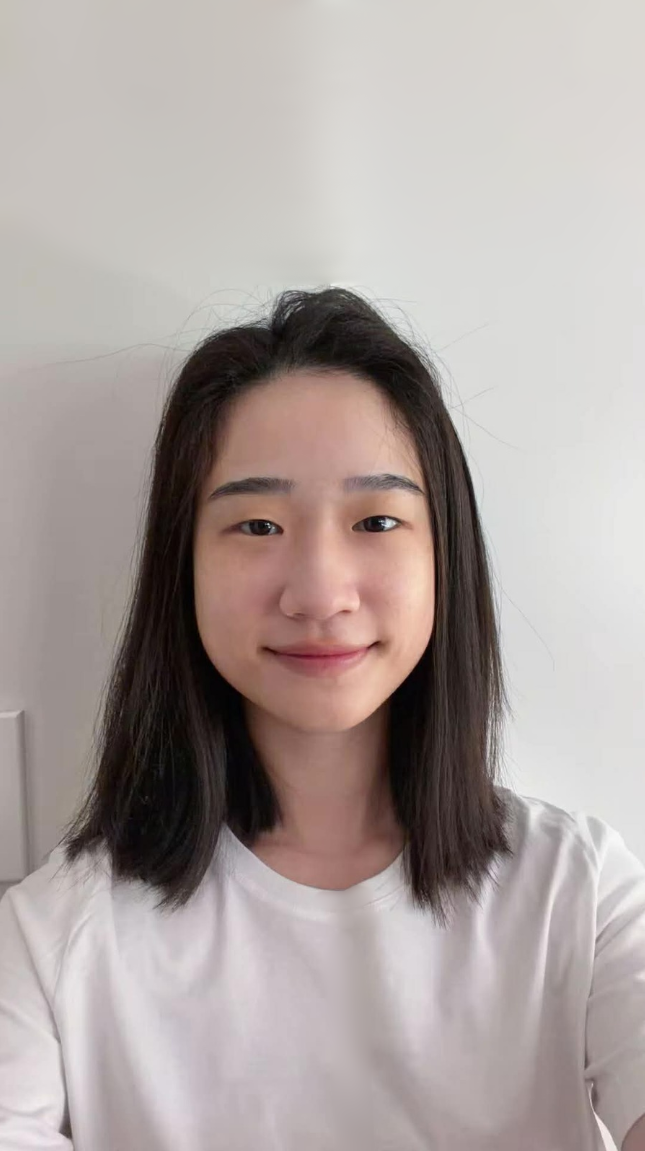
![A young woman with shoulder-length dark hair and light skin smiling at the camera, dressed in a white t-shirt, standing in front of a plain white wall.]()
Joanna
Speech Pathologist
-
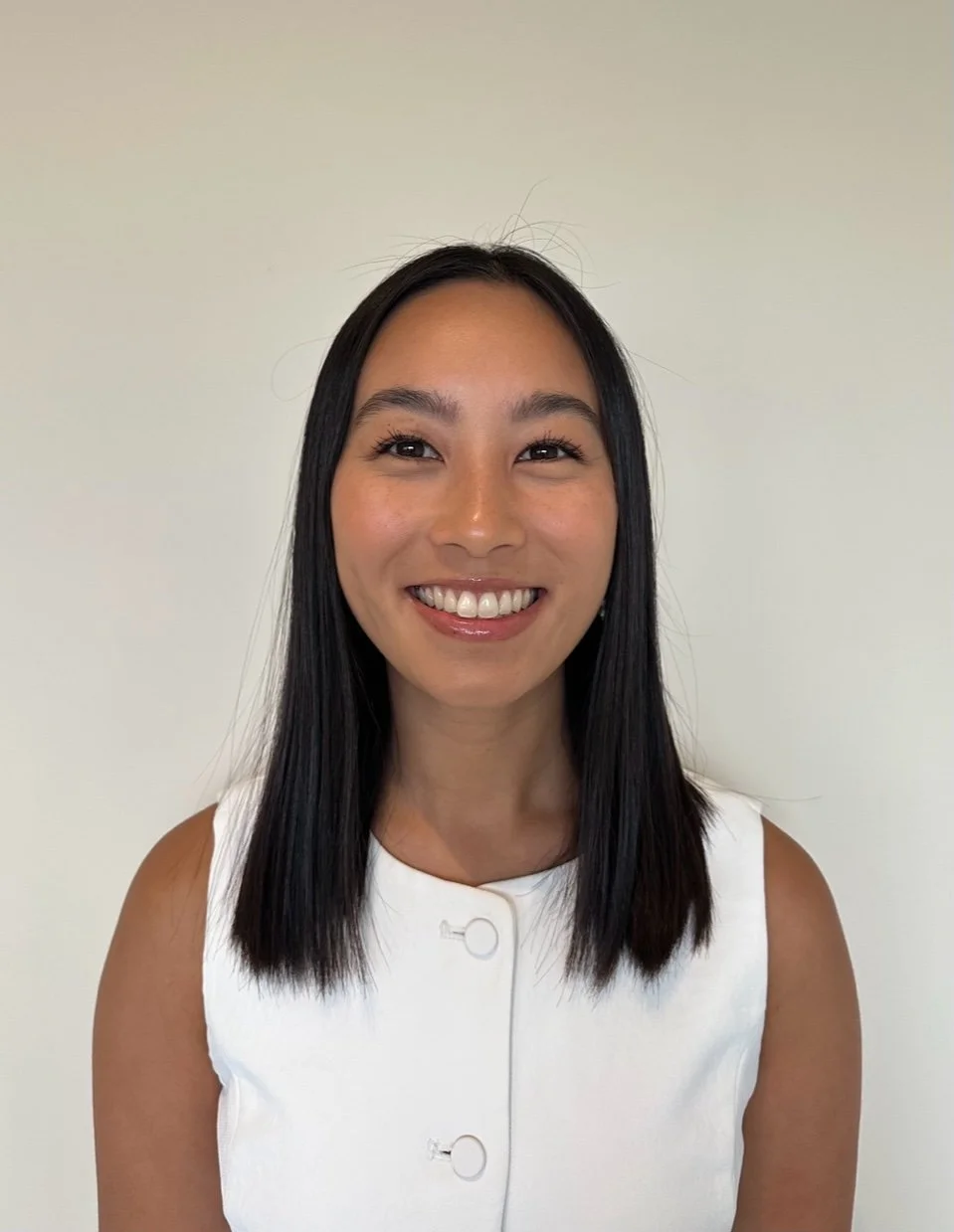
![A young woman with long black hair, smiling, wearing a sleeveless white top, standing against a plain off-white wall.]()
Cynthia
Speech Pathologist
-
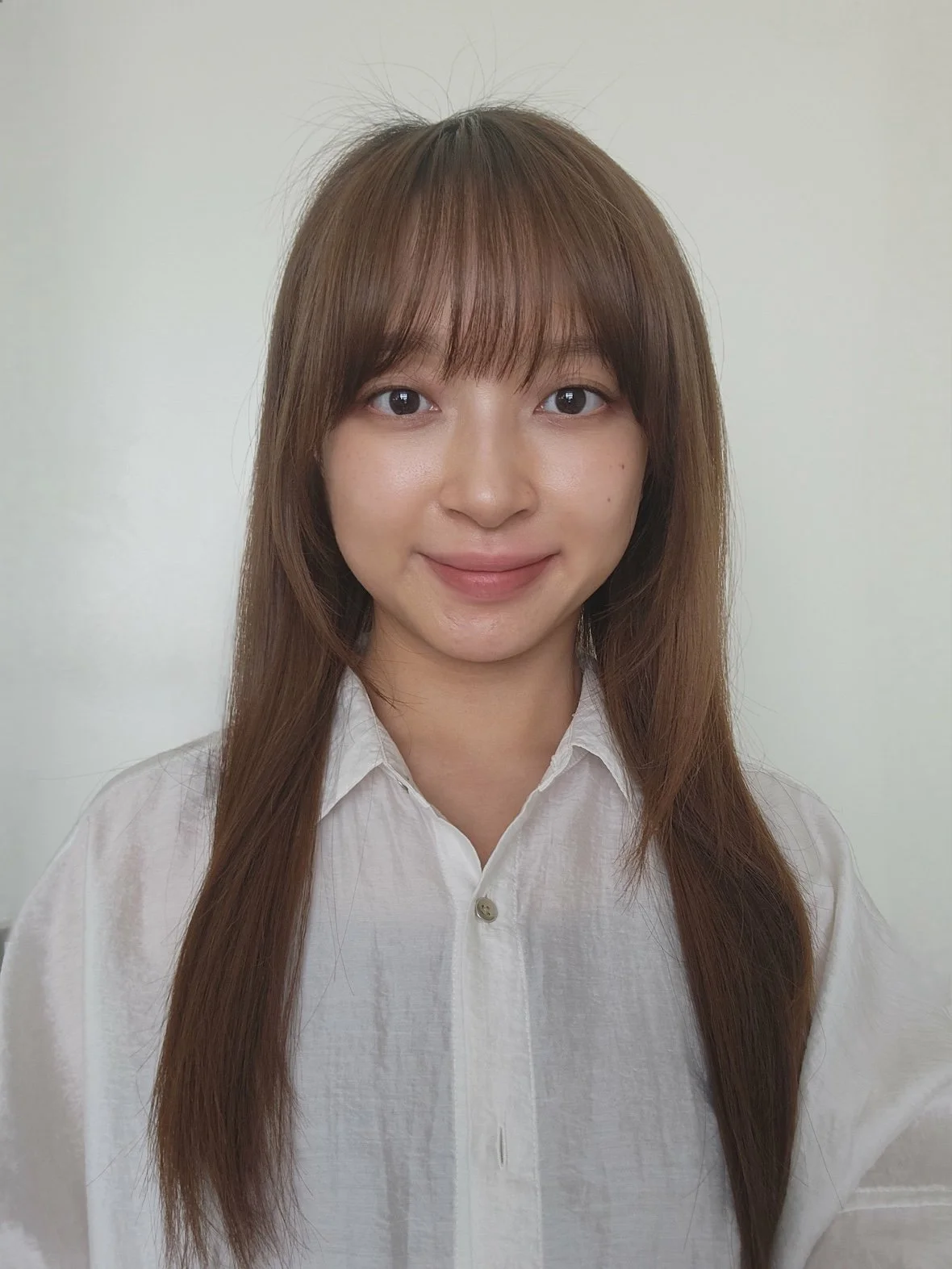
![Portrait of a young woman with brown hair and bangs, wearing a white button-up shirt, standing against a plain light-colored background.]()
Tiffany
Speech Pathologist
-
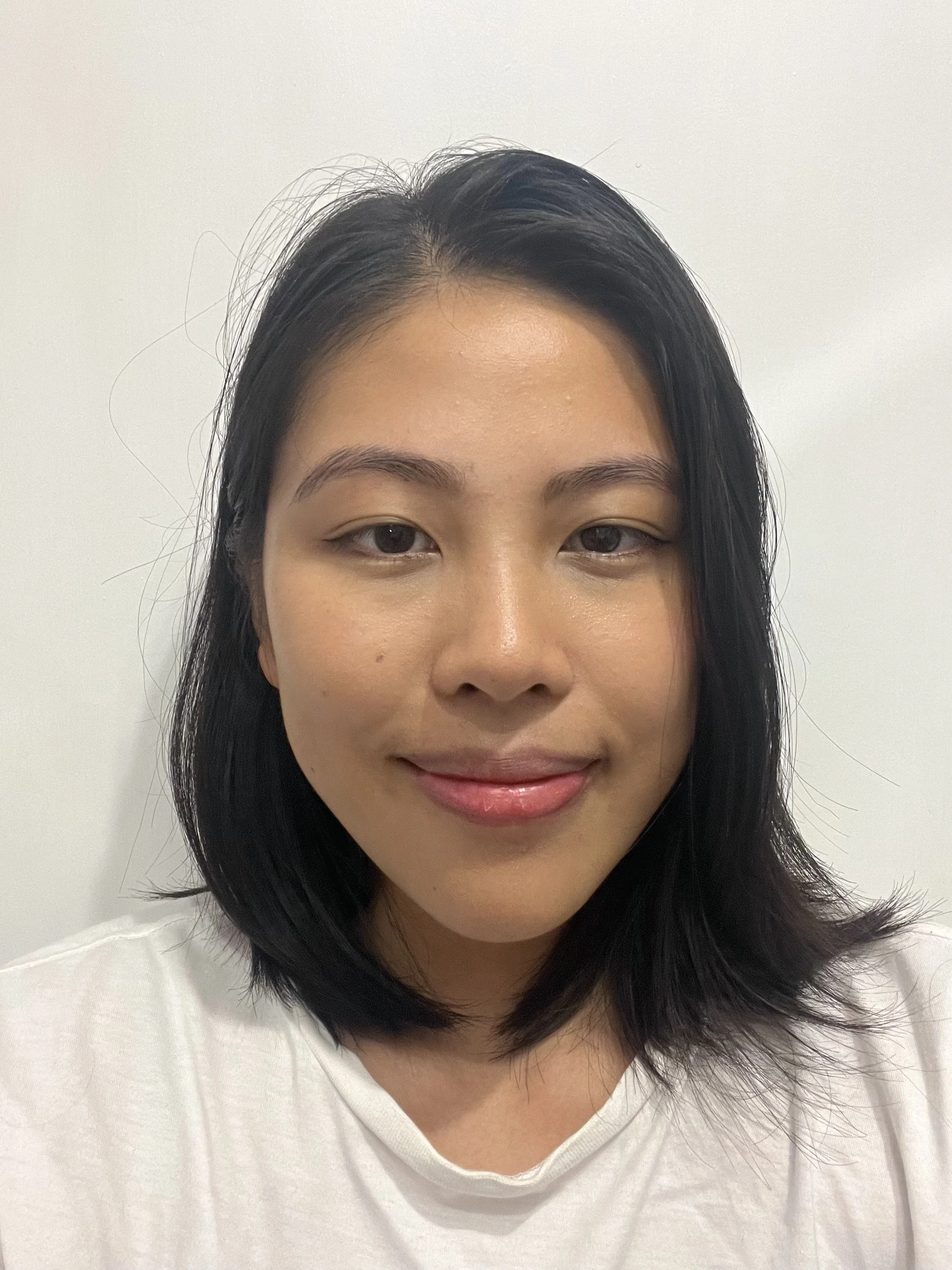
![Close-up of a woman with medium-length black hair, wearing a white shirt, smiling gently against a plain light-colored background.]()
Shannon
Speech Pathologist
-
![Speech therapist North Sydney]()
Lucinda
Speech Pathologist
-
![Speech therapist Concord]()
Kaitlyn
Speech Pathologist


Where Are Our Sydney Speech Pathology Clinics Located?
Rhodes Speech Pathology Clinic
Address: Ground floor, 1A Homebush Bay Drive, Rhodes NSW 2138
Phone: 1300 848 795
General Enquiries: info@Growandtelltherapy.com.au
Our Rhodes speech pathology clinic supports families across Sydney’s Inner West, including Rhodes, Concord, Wentworth Point, Meadowbank, and surrounding suburbs.
Appointments Available On:
Monday – Friday 8:00 am – 6:00 pm
Crows Nest Speech Pathology Clinic
Address: Level 3, 38 Oxley Street, Crows Nest, NSW 2065
Phone: 1300 848 795
General Enquiries: info@Growandtelltherapy.com.au
Our Crows Nest speech pathology clinic supports families across Sydney’s Lower North Shore, including North Sydney, Cammeray, Neutral Bay, St Leonards, and Chatswood.
Appointments Available On:
Monday – Friday 9:00 am – 5:30 pm
Partners


Explore Our Blogs
-
![A young boy with curly hair and wearing overalls is sitting on the floor with his mouth wide open, face expressing anger or frustration, surrounded by a cluttered room filled with toys and stuffed animals.]()
Understanding Tantrums vs. Meltdowns
-
![A group of children running outdoors on a dirt path, wearing colorful rain ponchos and rain boots, with a grassy field and trees in the background during sunset.]()
How to Fix a Lateral Lisp Slushy S Speech Therapy
-
![Close-up of a person's face with curly light brown hair and blue eyes, wearing a light gray shirt.]()
Understanding Selective Mutism
-
![A young girl with big blue eyes and curly brown hair sitting at a table with a plate of broccoli and other vegetables, looking directly at the camera with a serious expression.]()
Embracing Friendly Feeding Therapy
-
![A young boy with curly blonde hair wearing a red sweater sitting at a table during a game or activity with someone else, with a piano, colorful decorations, and children's artwork in the background.]()
Recognising Language Delays in Young Children
-
![Young boy with short brown hair and a dark blue shirt, smiling, crawling through a colorful obstacle course with a wooden structure and green, red, yellow, and blue balls in the background.]()
Top 5 Benefits of Occupational Therapy for Your Child
-
![Woman smiling and playing with two young boys in a room with balloons, facing each other and holding hands.]()
Speech Delay in Children: Signs, Causes, and What to Do
-
![A smiling woman and a boy sitting at a desk with open books, holding pens, in a classroom.]()
Understanding School Readiness Groups: A Parent’s Guide
-
![A young boy and a woman playing a board game with colorful pieces at a table indoors.]()
The Importance of Early Intervention for Children with Delays or Additional Needs
-
![A young boy with brown hair and a denim shirt smiling while working on a notebook in a classroom with other students in the background.]()
What is PECS? (Picture Exchange Communication System)
-
![A young boy with curly blonde hair looking upward with a contemplative expression. The background is blurred with natural light.]()
Is Your Child A Gestalt Learner?






Frequently Asked Questions About Speech Pathology Assessments
-
A speech pathology assessment helps identify your child’s communication strengths and areas where they may need additional support. Depending on your child’s needs, assessment may explore speech sounds, articulation, phonology, motor speech, receptive and expressive language, early communication, literacy and phonological awareness.
-
Your speech pathologist will select assessment activities based on your child’s age, development and reason for referral. This may include standardised testing, clinical observation, language samples, play-based activities, parent or teacher questionnaires and other non-standardised assessment tasks.
-
Our speech pathologists use a range of standardised and non-standardised assessment tools. These may include the DEAP, DEMSS, CELF-5 Australian & New Zealand, CELF Preschool–3 (CELF-P3), PLS-5, RAPT, Rossetti Infant-Toddler Language Scale, SPAT-R, TOWRE and CUBED, among others.
The assessments used will depend on your child’s age, communication profile and reason for referral.
-
Yes. We provide selected speech pathology assessments via Telehealth for families across Australia.
Depending on your child’s needs and ability to participate online, this may include speech sound assessment using the DEAP, language assessment using the CELF-P3 or CELF-5, and stuttering or fluency assessment for school-aged children.
Some assessments require face-to-face administration and cannot be completed via Telehealth.
-
Speech pathology assessment can be appropriate from early childhood through to the school years. The type of assessment used will depend on your child’s age, developmental stage and communication concerns.
For Telehealth assessments, suitability depends more on your child’s ability to engage online and follow instructions than age alone.
-
No. Your child does not need an existing diagnosis to have a speech pathology assessment. Families may seek an assessment because of concerns about speech, language, communication, literacy, fluency or their child’s overall communication development.
-
Yes. Your speech pathologist will discuss the assessment findings with you and provide recommendations based on your child’s individual strengths and needs. Recommendations may include speech pathology therapy, strategies for home or school, monitoring, further assessment or collaboration with other professionals.
-
Grow & Tell provides paediatric speech pathology assessments at our St Leonards/Crows Nest and Rhodes clinics in Sydney. Selected assessments are also available via Telehealth for families throughout Australia.
-
You do not need to know which specific assessment to book. Our team can discuss your concerns and your child’s age and development, and help determine the most appropriate assessment pathway.