How to Fix a Lateral Lisp (Slushy S Sound) in Children
A lateral lisp is a type of speech sound difficulty where the S sound can sound slushy or wet. Instead of the airflow travelling forwards through the centre of the mouth, some of the air escapes over the sides of the tongue.
Parents sometimes describe this as their child having a “slushy S sound.”
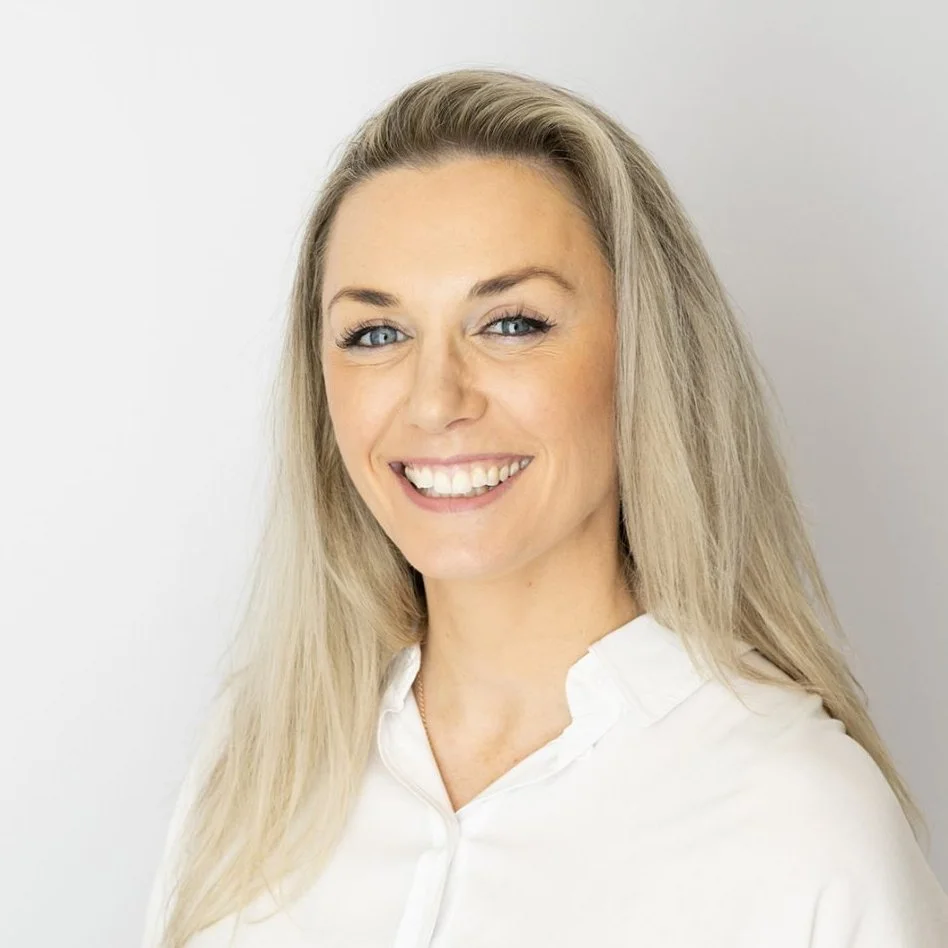
In the video below, Grow & Tell Speech Pathologist Jules explains lateral lisps and demonstrates one of the approaches a speech pathologist may use to help a child learn a new way of producing the S sound.
What Is a Lateral Lisp?
When we produce a clear S sound, the tongue and airflow need to work together.
The air should travel forwards through a narrow channel along the centre of the tongue.
With a lateral lisp, the airflow moves over one or both sides of the tongue instead. This changes the quality of the sound and creates the characteristic slushy S that parents often notice.
A speech pathologist can listen to how your child produces their speech sounds and determine whether they have a lateral lisp or another type of speech sound difficulty.
What Does a Lateral Lisp Sound Like?
A lateral lisp is usually most noticeable on sounds such as S and Z.
Words containing S may sound distorted or slushy rather than having a crisp S sound.
Importantly, a lateral lisp isn't simply about a child knowing how to pronounce a particular word. It relates to how the tongue and airflow are being used to produce the sound.
That's why repeatedly asking a child to “say your S properly” may not solve the problem.
They may first need to learn an entirely new movement pattern.
How Do Speech Pathologists Treat a Lateral Lisp?
One of the goals of lateral lisp therapy is to reshape the airflow.
We want to help the child learn to direct the air forwards through the centre of their mouth rather than allowing it to escape over the sides of their tongue.
However, Jules doesn't necessarily begin therapy by telling the child:
“Let's practise your S sound.”
There's a reason for that.
If the child already associates “S” with their existing slushy production, asking for S may simply result in them producing the same sound in the same way.
Instead, we can introduce the target as a new sound.
Learning a “New Sound”
For some children, it can help to temporarily move away from practising S altogether.
Jules might tell a child:
“We're going to learn a new sound.”
This allows therapy to focus on learning a new movement rather than repeatedly practising the child's existing S production.
Sessions can also incorporate games, bubbles, lucky dips or other motivating activities.
The aim isn't perfection.
We want children to participate, experience success and gradually develop confidence with the new movement.
Using the T Sound to Help Shape S
One technique Jules demonstrates in the video involves starting with a sound the child can already produce successfully.
The T sound is produced towards the front of the mouth and can provide a useful starting position for some children.
The child first practises T successfully.
Then the movement can be slowed down and the airflow gradually extended.
Over time, this can help shape the airflow towards the new target sound.
This is generally done systematically with feedback from a speech pathologist so the child doesn't continue reinforcing an incorrect production.
Can My Child Hear the Difference Between the Sounds?
Before expecting a child to consistently change their own speech, it can be useful to establish whether they can hear the difference between their old and new productions.
Speech pathologists call this auditory discrimination.
For example, Jules may produce the sounds differently and ask the child to identify:
“Was that the new sound or the old sound?”
Once the child can reliably hear the difference, it can become easier for them to recognise and monitor their own productions.
Eventually, the clearer production becomes the child's new S sound, while the lateral or slushy production becomes their old sound.
Should We Practise a Lateral Lisp at Home?
Home practice can be very helpful, but it's important to practise the right thing.
If a child repeatedly practises an incorrect S production, they may simply reinforce the speech pattern we're trying to change.
That's why it can be helpful to have a speech pathologist first determine exactly how your child is producing the sound and establish an appropriate starting point.
Once your child has learned the target in therapy, your speech pathologist can show you how to practise it at home.
Short, successful practice is generally preferable to lengthy sessions that leave a child frustrated.
What Age Should a Lateral Lisp Be Treated?
Speech sounds develop at different times, and not every unusual S production in a young child requires immediate therapy.
In the video, Jules explains that she generally begins this particular lateral lisp treatment approach with children from around four years of age, as the techniques require the child to understand and participate in relatively detailed speech-sound work.
Whether therapy is appropriate will depend on the individual child, their speech development and the type of errors they're making.
If you're unsure, a speech pathologist can assess your child's speech rather than relying on age alone.
Does a Lateral Lisp Affect Confidence?
For some children, persistent speech sound difficulties can become frustrating, particularly when other people have trouble understanding them or begin commenting on the way they speak.
This is another reason we want speech therapy to remain positive and achievable.
Rather than repeatedly correcting a child's speech throughout the day, therapy can give them structured opportunities to learn the new skill and experience success.
When Should My Child See a Speech Pathologist for a Lisp?
Consider speaking with a speech pathologist if you're concerned about your child's S sound, particularly if:
their S sounds consistently slushy or distorted
air appears to escape from the sides of their mouth
their speech is difficult for other people to understand
your child is becoming frustrated or self-conscious about their speech
you've been practising S at home without improvement.
A paediatric speech pathologistcan assess how your child is producing their sounds and recommend an appropriate approach if therapy is needed.
Speech Therapy for Lisps and Speech Sounds
At Grow & Tell, our paediatric speech pathologists support children with a range of speech sound and articulation difficulties, including lisps and difficulties producing individual speech sounds.
You can meet our team of paediatric speech pathologists to learn more about the clinicians at Grow & Tell.
We provide paediatric speech pathology at our Sydney clinics and online speech therapy via Telehealthfor families across Australia.
Blog - How Clear Should a 2, 3, 4 and 5 Year Old's Speech Be?