How to Teach the K and G Sounds
The K and G sounds are common speech sounds that children may need help learning. Both sounds are produced towards the back of the mouth, which can be tricky for children who are used to making sounds towards the front of their mouth.
Children who have difficulty producing K and G may replace them with sounds such as T and D.
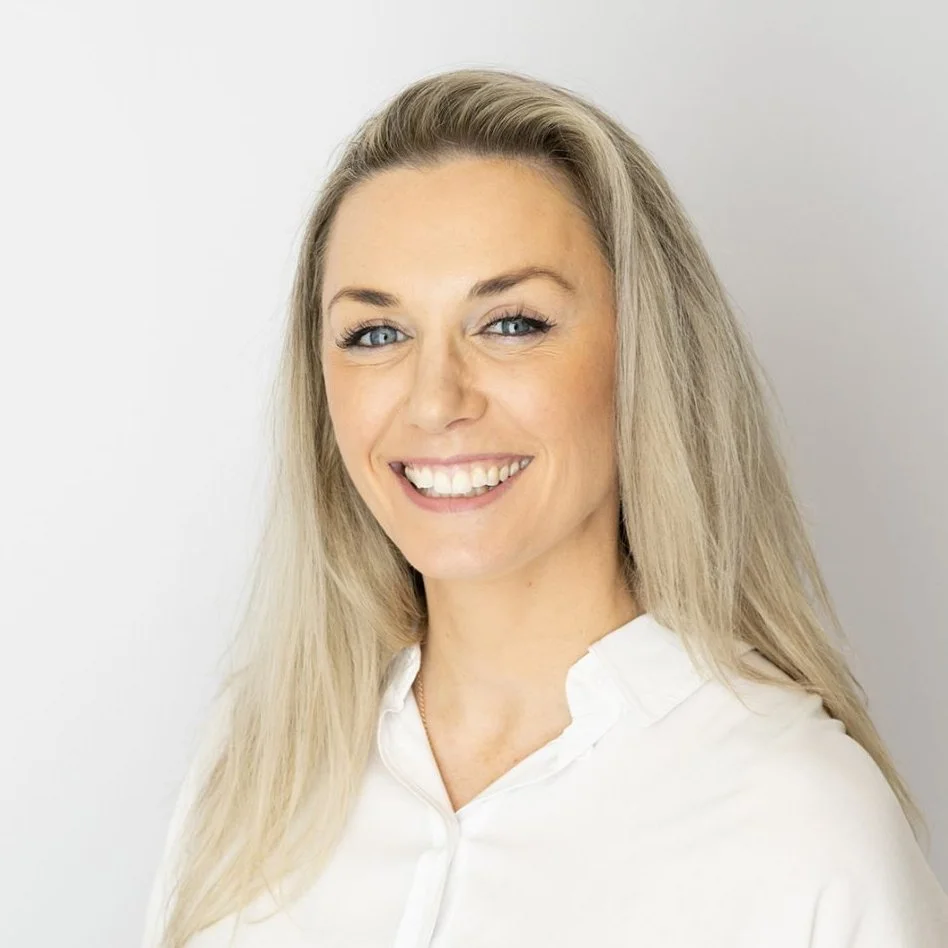
In the video below, Grow & Tell Speech Pathologist Jules explains how speech pathologists can help children learn the K and G sounds and shares some of the early strategies that may be used in speech therapy.
When Should Children Be Able to Say the K Sound?
The K sound is an early-developing speech sound.
Many children begin producing K correctly at around three years of age. However, speech development varies between children, so a child's overall speech sound development needs to be considered rather than focusing on one sound alone.
If your child is having difficulty producing K or you're concerned about how clearly they are speaking, a speech pathologist can assess their speech sound development and determine whether additional support may be helpful.
Why Does My Child Say T Instead of K?
One common difficulty with the K sound is that a child may produce a T sound instead.
This happens because K is produced towards the back of the mouth, while T is produced towards the front.
For example, a child may pronounce:
car → “tar”
or:
key → “tea”
Rather than simply correcting the word repeatedly, speech therapy can help the child learn the difference between producing sounds at the front and back of their mouth.
Why Does My Child Say D Instead of G?
The same thing can happen with the G sound.
K and G are produced in the same area of the mouth. One of the main differences is that G is voiced, meaning the vocal cords vibrate when we produce it.
Children who have difficulty producing G may replace it with D, which is produced further forwards in the mouth.
For example:
go → “do”
A child who has difficulty producing K will therefore often have difficulty with G as well, because both require them to learn how to produce a sound towards the back of their mouth.
How Do Speech Pathologists Teach the K Sound?
When we're teaching a new speech sound, we don't usually begin with complicated words.
The first step is often simply helping the child discover how to make the sound by itself.
Speech pathologists may use play, visual demonstrations and different cues to help a child understand where their tongue needs to move.
For the K sound, this means helping the child learn to produce a sound towards the back of their mouth rather than allowing their tongue to move up towards the front.
Helping a Child Find the K Sound
Different children respond to different cues.
Some strategies demonstrated in the video include encouraging the child to:
watch and listen to an adult demonstrate the sound
feel where the sound is being produced
gently tilt their head backwards
practise while lying back so the tongue naturally moves backwards
use visual or physical prompts where clinically appropriate.
A speech pathologist will choose strategies based on the individual child and how they respond.
The important part is not rushing ahead to difficult words before the child can produce the sound itself.
Don't Start With Difficult K and G Words
Parents are understandably keen to get their child saying words correctly.
If a child says “ice tream” instead of “ice cream”, for example, it can be tempting to immediately practise ice creamrepeatedly.
But learning a new speech sound usually involves a series of smaller steps.
We want the child to experience success and gradually build their confidence rather than repeatedly asking them to produce a word that is currently too difficult.
Moving From K by Itself to Words
Once a child can produce the K sound by itself, we can gradually make the task more difficult.
One of the next steps may be adding a vowel.
For example:
K + ah
The child can then progress towards simple words containing K.
Pictures can also be useful when helping children understand that changing one speech sound can change the meaning of a word.
For example:
tea → key
or
tar → car
This helps the child begin listening for and producing the difference between sounds made towards the front and back of their mouth.
Practising K and G Sounds at Home
Home practice doesn't need to feel like homework.
Short periods of practice can be incorporated into everyday activities such as bath time, playing together or travelling in the car.
Your speech pathologist can provide activities appropriate for the stage your child is currently working on.
The key is to practise the skill your child has actually learned in therapy, rather than jumping ahead to much harder words.
Keep practice positive, achievable and fun.
Learning Speech Sounds Takes Time
There are several stages involved in learning a new speech sound.
A child may progress from producing the sound:
by itself → in syllables → in words → in phrases → in sentences → in everyday conversation
Being able to say K once doesn't necessarily mean a child will immediately start using it correctly in every word.
This progression is normal.
Working through each stage gives children an opportunity to develop accuracy and confidence before moving onto something more difficult.
When Should I See a Speech Pathologist?
Consider speaking with a speech pathologist if you're concerned about your child's speech sound development, particularly if their speech is difficult for other people to understand or they become frustrated when communicating.
A paediatric speech pathology assessment can look at the sounds your child can produce, the errors they're making and whether those patterns are expected for their age.
At Grow & Tell, our paediatric speech pathologists assess and support children with speech sound and articulation difficulties, including children having difficulty producing sounds such as K and G.
You can meet our team of paediatric speech pathologists or learn more about our speech pathology assessments.
We also provide Telehealth speech therapy for families who would prefer to access speech pathology online.